
St Astier is a specialist consulting contractor for the construction industry.
We help clients to maximise the value they can derive from the built assets under their control by providing intelligent renewal, repair, maintenance and conservation services that extend and enhance the life of structures.
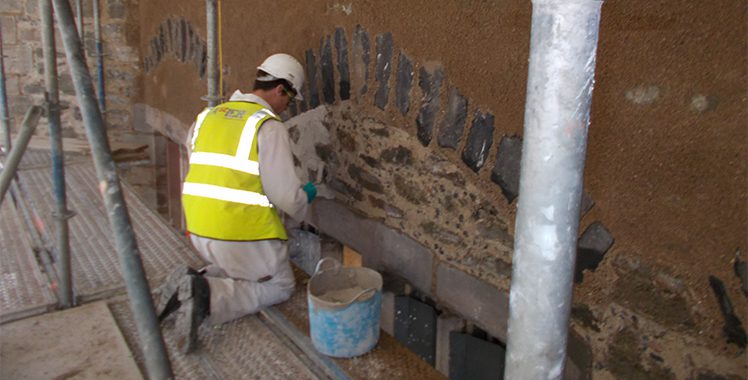
We have a wealth of experience in managing and delivering specialist historic building conservation projects which demand a unique focus and sympathetic attention to ensure our region’s built heritage is maintained and conserved. Historic Building Conservation
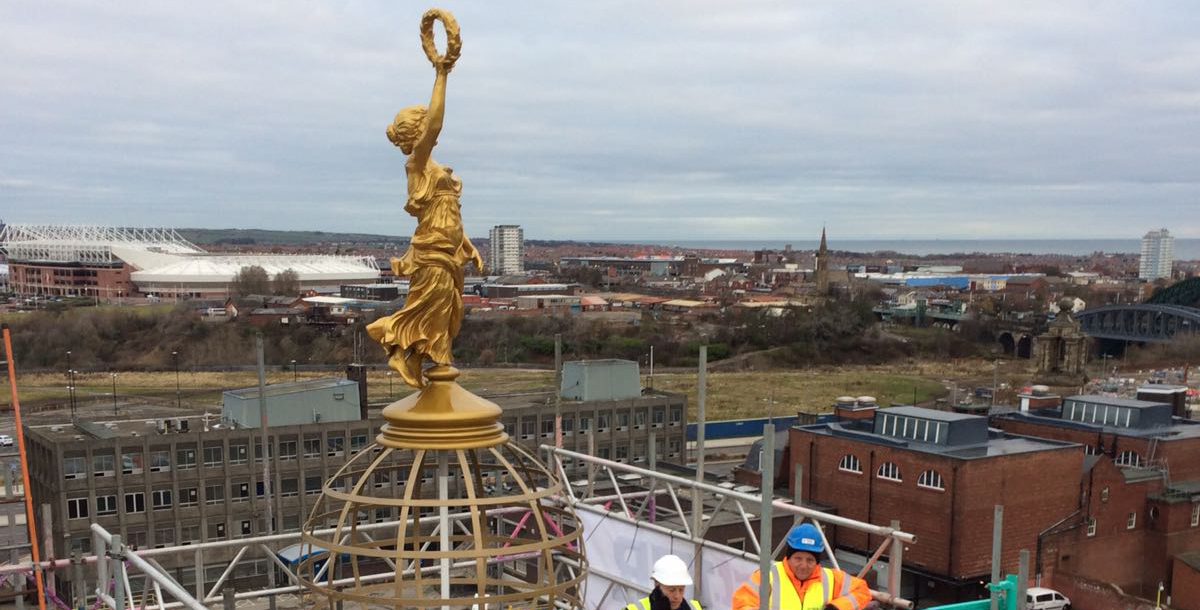
St Astier works with local authorities, housing associations and their partners to deliver refurbishment services, utilising a diverse knowledge of innovative and traditional repair techniques and materials whilst understanding the importance of accurate planning and efficient delivery. Social housing & public buildings

Historic Building Conservation
We have a wealth of experience in managing and delivering specialist historic building conservation projects which demand a unique focus and sympathetic attention to ensure our region’s built heritage is maintained and conserved.
Social Housing & Public Buildings
St Astier works with local authorities, housing associations and their partners to deliver refurbishment services, utilising a diverse knowledge of innovative and traditional repair techniques and materials whilst understanding the importance of accurate planning and efficient delivery.
Structural Repair
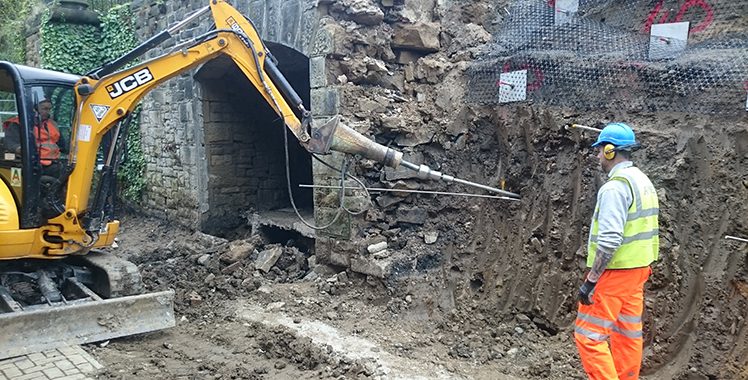
We provide a wide range of solutions to address most structural problems including cracked or compromised masonry, bowing walls, failed structural elements, partial collapses, subsidence and land slippage.
Industrial & Civil
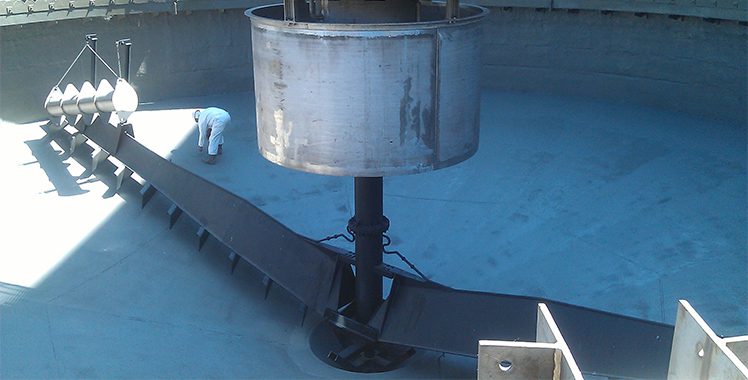
We repair and waterproof road bridges, pedestrian and transport tunnels, sea defences and water retaining structures. In an industrial context, we replace or repair factory floors and undertake specialist repairs in industrial facilities with unique safety and access conditions.
Our Projects
- All
- Historic Building Conservation
- Industrial & Civil
- Social Housing & Public Buildings
- Structural Repair
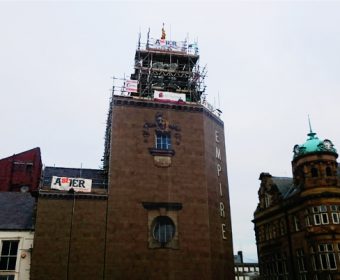
The Empire Strikes Back!
The famous Sunderland Empire Terpsichore, the Greek Muse which depicts the delights ...
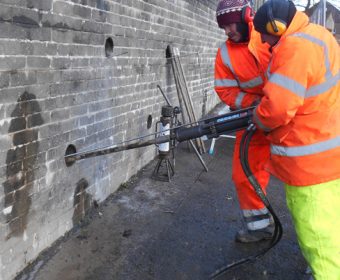
Drummond Place, Blackridge
A 2M high brick retaining wall in Blackridge was in need of stabilising following a ...
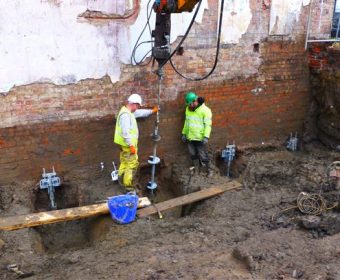
Screw Piling on The Lonsdale
The 12M high gable, left exposed to the elements was shored following concerns over ...
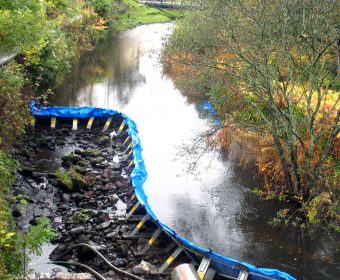
River Working at Oley Meadows
The historic town of Shotley Bridge, situated on the River Derwent, was the site of ...
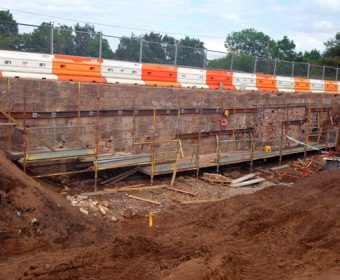
Soil Anchors at Ferniegair
150mm diameter core holes were drilled at 2M centres in two rows. The drilling rig ...
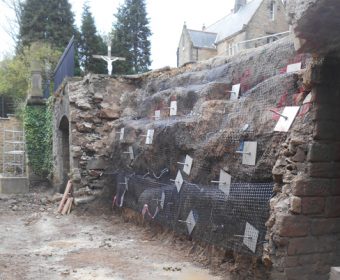
Anchors Aweigh in Gateshead!
Following the partial collapse of a 5m high retaining wall onto the footpath of a ...
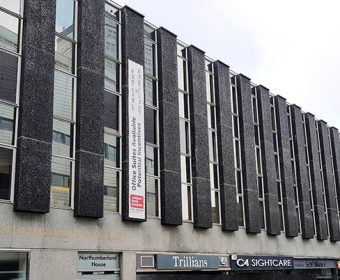
Concrete Repairs to Exposed Aggregate Cladding Panels
Northumberland House is a commercial building containing both shops and offices in ...
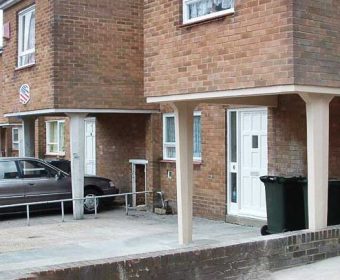
Avison Street Area
There are around 200 properties of this type in Newcastle where the bedroom is ...
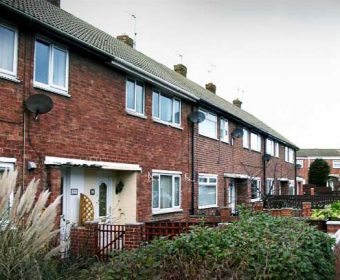
Concrete Canopy Repairs
St Astier was approached by East Durham Homes via Keepmoat to address defective ...
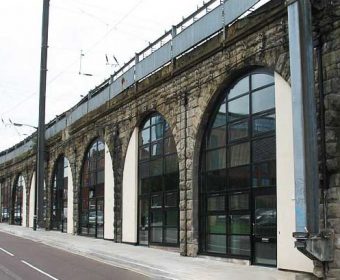
Forth Street, Newcastle
A number of disused archway units, a short distance from Newcastle’s central station,

Refresco Refurbishment
We have recently completed a major refurbishment contract for Refresco, the beverages
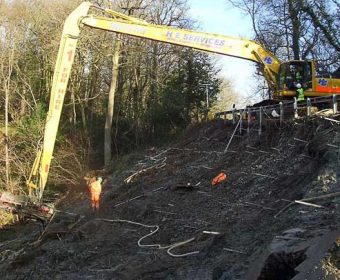
Liverton Mill
Moorsholm Lane/Liverton Mill Bank is a narrow, adopted highway which links the ...

Charles Palmer Statue
The monument depicting Sir Charles Mark Palmer was inaugurated in 1903. It was ...
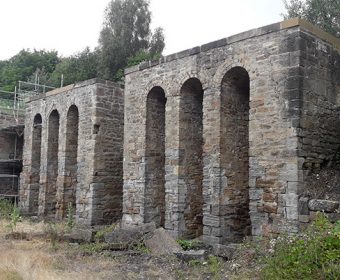
Getting a North East Institution Back on the Right Track
The Shildon of 1800 was a quiet village nestled amongst old colliery towns in County ...
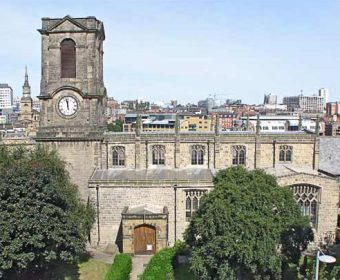
Gateshead Visitor Centre
The Gateshead Visitor Centre, formerly St Mary’s Church, has been a place of ...
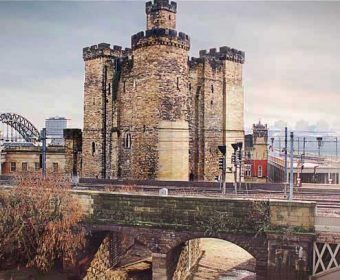
The Castle Keep Phase III
With the final dismantlement of the scaffolding in early December, phase three works ...
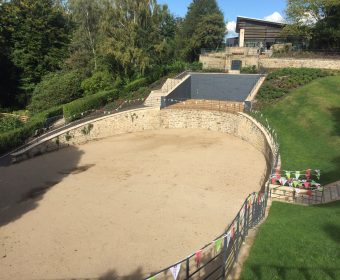
Repairs to Wharton Park
In 1857, after completing the construction of the Durham railway, William Lloyd ...
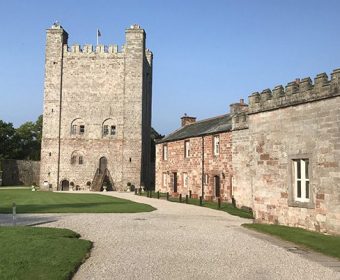
Landmark Repairs on 12th Century Keep
Built in 1092, this motte and bailey castle stood proudly and signified William II ...
- All
- Historic Building Conservation
- Industrial & Civil
- Social Housing & Public Buildings
- Structural Repair
The Empire Strikes Back!
The famous Sunderland Empire Terpsichore, the Greek Muse which depicts the delights ...
Drummond Place, Blackridge
A 2M high brick retaining wall in Blackridge was in need of stabilising following a ...
Screw Piling on The Lonsdale
The 12M high gable, left exposed to the elements was shored following concerns over ...
River Working at Oley Meadows
The historic town of Shotley Bridge, situated on the River Derwent, was the site of ...
Soil Anchors at Ferniegair
150mm diameter core holes were drilled at 2M centres in two rows. The drilling rig ...
Anchors Aweigh in Gateshead!
Following the partial collapse of a 5m high retaining wall onto the footpath of a ...
Concrete Repairs to Exposed Aggregate Cladding Panels
Northumberland House is a commercial building containing both shops and offices in ...
Avison Street Area
There are around 200 properties of this type in Newcastle where the bedroom is ...
Concrete Canopy Repairs
St Astier was approached by East Durham Homes via Keepmoat to address defective ...